What Has Happened to Us?
And when did we decide that cruelty and division were acceptable ways to live?
I have been thinking a great deal lately about what has happened to people. Not politically, not religiously, and not in terms of which side of an argument someone occupies, but something much more fundamental. Something seems to have changed in the way we regard and treat one another.
Somewhere around 2019, or perhaps even earlier, it began to feel as though we were losing something essential to our humanity. Compassion, restraint, independent thought, and the simple willingness to extend kindness to another person seem increasingly difficult to find.
Of course, cruelty, dishonesty, jealousy, and gossip have always existed. But there was once an expectation that we would at least try to conduct ourselves with dignity, consider the consequences of our words, and understand the difference between having an opinion and believing we have the right to destroy someone with it.
Today, social media provides an audience for behavior that would once have been considered shameful. People repeat stories they have never verified, make accusations without evidence, betray confidences, and sometimes appear to take genuine pleasure in another person’s suffering. Perhaps most disturbing is how accustomed we have become to witnessing it.
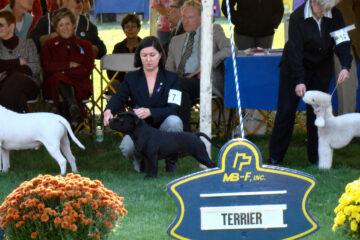
Even within the dog community, where a shared love of animals should bring people together, we see friendships damaged, reputations questioned, accomplishments diminished, and years of dedication disregarded because of gossip, jealousy, or personal disagreements. We speak so passionately about the character and integrity we value in our dogs, yet sometimes seem unwilling to hold ourselves to those same expectations.
When did we stop being disturbed by cruelty? When did gossip become knowledge, suspicion become evidence, and public humiliation become entertainment?
Whatever the Cause, Something Is Wrong
There are countless conversations about what has contributed to this change. Some point to the fear, isolation, division, and uncertainty of the past several years. Others question the effects of environmental exposures, technology, pharmaceutical interventions, electromagnetic fields, propaganda, institutional deception, or psychological manipulation. Still others believe we are experiencing something deeper, a spiritual or collective disconnection from the qualities that make us human.
I don’t pretend to know every answer, and I am not interested in dismissing questions simply because they challenge accepted explanations. History has given us ample reason to question those who wield power and influence over our lives.
But I am increasingly convinced that we spend far too much time arguing about what has happened to us and far too little time considering what we intend to do about it.
Whatever the influences, we still have choices about how we conduct ourselves, what we believe, what we repeat, and whether we contribute to the cruelty around us.
The Compliance Nobody Talks About
Perhaps one of the most dangerous forms of compliance is our willingness to participate in the very culture of hostility and division that so many of us claim to oppose.
We comply when we remain silent while someone is unfairly attacked, repeat a damaging story without verifying it, or allow an algorithm, a headline, or a persuasive personality to do our thinking for us. We comply when we abandon our principles to remain accepted by a group, or decide that someone deserves less compassion because their beliefs differ from our own.
There is something profoundly troubling about people who pride themselves on being independent thinkers while unquestioningly accepting whatever narrative circulates within their chosen circle.
Critical thinking is not the ability to question only those we already distrust. It is the willingness to question everything, including the things we desperately want to believe.
That requires humility, curiosity, and enough personal integrity to acknowledge when we may be mistaken. It also requires remembering that disagreement does not make another human being our enemy.
What We Put Into the World Matters
Call it energy, frequency, vibration, spiritual awareness, or simply the influence of human behavior. The terminology matters less than the principle.
Anger, fear, and resentment spread easily, but so do kindness, generosity, encouragement, and hope. Imagine what might happen if we stopped rewarding cruelty with attention, refused to participate in gossip, celebrated the accomplishments of others without jealousy, and made a genuine effort to understand people before condemning them.
In the dog world, that might mean congratulating someone whose dog wins over our own, offering encouragement to a newcomer, respecting the work of fellow breeders, or refusing to participate in conversations designed to damage someone’s reputation. None of these things requires us to agree with everyone. They simply require us to remember why we became part of this community in the first place.
Perhaps raising our collective vibration begins with something as ordinary, and as difficult, as taking responsibility for the atmosphere we create around ourselves.
There is an uncomfortable truth here. We cannot blame everything on show chairs, registries, clubs, governments, institutions, corporations, technology, or unseen forces while refusing to examine our own behavior. We cannot condemn manipulation while manipulating others, demand truth while knowingly repeating lies, or complain about division while deliberately contributing to it.
If we believe something is wrong with the direction humanity is taking, surely the first place to begin correcting it is within ourselves.
This does not mean ignoring injustice, surrendering our convictions, or tolerating mistreatment. Kindness does not require weakness, compassion does not require gullibility, and peace does not require silence. It means understanding the difference between standing firmly for what is right and simply enjoying the opportunity to hurt someone we dislike.
Before It Is Too Late
I sometimes wonder what future generations will think when they look back on this period of human history. Will they see a society so frightened, distracted, and divided that people turned against one another while the things that genuinely deserved their attention went unchallenged? Will they wonder how a civilization with unprecedented access to information became so willing to surrender independent thought?
Or will they see that enough people eventually recognized what was happening and decided to change?
I hope we have not become so hardened that we can no longer recognize another person’s suffering, celebrate someone else’s happiness, disagree without hatred, or extend kindness without expecting something in return.
There is a difference between being awake to the problems of the world and becoming so consumed by them that we contribute to the very darkness we claim to oppose.
We do not have to agree on the causes of everything that has happened over the past several years to recognize that something needs to change. Nor do we need anyone’s permission to begin changing it.
Think independently. Question respectfully. Seek evidence. Refuse to participate in gossip and cruelty. Support the people around you, defend those being treated unfairly, and remember that another person’s success does not diminish your own worth.
I don’t know whether we are approaching some great turning point in human history or simply living through a particularly troubling chapter of it. But I believe our future depends, at least in part, on whether ordinary people are willing to reclaim the qualities that make us human in the first place: compassion, integrity, courage, discernment, kindness, and love.
Not as slogans or performances for social media, nor as virtues we demand of others while excusing their absence in ourselves, but as principles we actually live by.
Whatever darkness may exist in this world, we need not help it spread.
And if there is still time to change our course, perhaps that is where we begin. With ourselves, with one another, and with the simple decision to stop making an already difficult world more cruel than it needs to be.